
What should I be doing after I deliver?
- The healthy plate is still important!
All the concepts about the healthy plate and personalizing portion sizes using your own hand as a guide are still important. It’s still good to be mindful.
- You might need to eat a little extra while you are breastfeeding
It’s not a lot extra, though, so three healthy snacks or slightly bigger portions may do the trick (like when you were pregnant). Talk to others and be alert to any symptoms of being down or depressed.
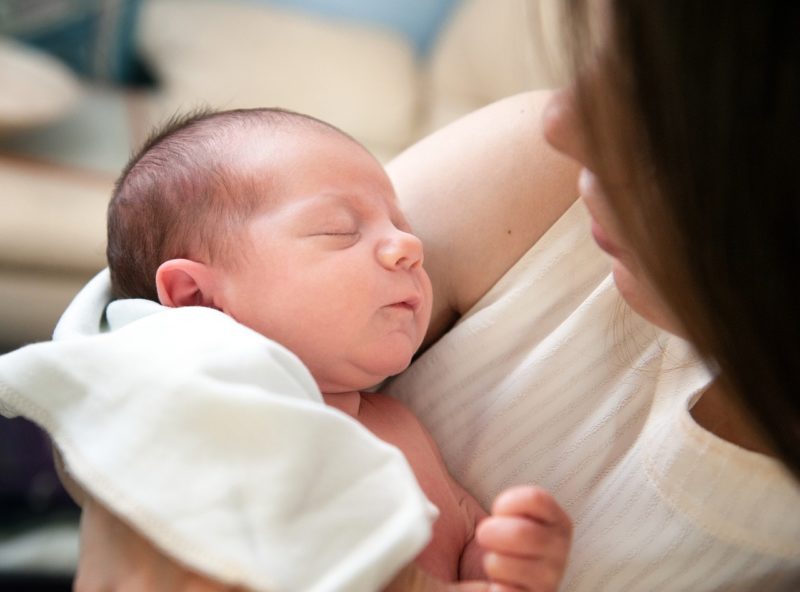
- Getting back to your ‘before pregnancy’ weight
Most women gain some weight during pregnancy. If you have, it’s good to get back to your weight before pregnancy. It may take time for your body to return to what it was, as much as a year. If you have concerns, make sure to consult your health care provider. - Be active
Physical activity goals are the same for everyone- pregnant or not: at least 150 minutes of moderate to vigorous physical activity each week. To get there, complete at least 7,000 steps each day—getting above 10,000 is even better. Remember though, that every step and every walk counts.
- Be kind to yourself
Having a new baby is a lot of work. It takes a lot of energy, on top of your other responsibilities. Try to get help and support from family and friends. When the time is right for you, get out for a walk with the baby in the stroller. Try not to eat your way through stress. Talk to others and be alert to any symptoms of being down or depressed.
- Breastfeeding
It’s a great way to nourish your baby, to bond with your baby, and helps to return to a healthy weight. Give it a try and seek support from the public health nurse, community breastfeeding groups, or family or friends who have had success. If it doesn’t work out, don’t be too hard on yourself. Bottle feeding is fine with the appropriate formula.
- Take the ‘sugary drink test’ in the weeks after pregnancy
Your clinic will help you to schedule one. It tells you if you still have diabetes after pregnancy.
- Gestational diabetes is a family affair
You, your partner, and your child must be aware that you have a higher than average chance of developing diabetes later in life. This is not something to fear but rather something you need to keep in mind. Encourage everyone in the household to work together to eat in a healthy way and be active to lower chances of developing diabetes.
https://youtu.be/RdS28CbH12k
Getting Through The First Weeks and Months
Dr. Kaberi Dasgupta shares some tips to help you get through the early days.

Audio Only
[player id=5141]

https://youtu.be/RYUBNBKjXZI
Postpartum Nutrition and Exercise Basics
Audio Only
[player id=5139]
https://youtu.be/q2EC2PzNaHY
Introduction to Postpartum Nutrition
Dr. Sharleen O’Reilly introduces some issues mothers may face once they bring baby home.
Audio Only
[player id=4923]
https://youtu.be/_XZz8eP-ftc
Why Postpartum Follow-up is Important
Audio Only
[player id=5140]
https://youtu.be/uPpob7UpQ48
Meal Preparation Tips
Audio Only
[player id=4952]
https://youtu.be/CX-e1LWfIOY
Snacks
Audio Only
[player id=4982]
https://www.youtube.com/watch?v=G0sHLV69BP8
Healthier Ways To Dine Out
Audio Only
[player id=4976]
https://youtu.be/Fp9Zp90IOjM
Breastfeeding
Audio Only
[player id=5112]
https://www.youtube.com/watch?v=4gCmDK08O78
First Foods
Audio Only
[player id=4888]
https://youtu.be/hu4YUjChPyo
Diabetes risks for the family
Audio Only
[player id=5138]
https://youtu.be/g6Pi9ezn1JE
Involving the Whole Family
Audio Only
[player id=4958]
Media Links

Pregnancy-related conditions taken together leave moms – and dads – at risk

MUHC discovers link in gestational diabetes